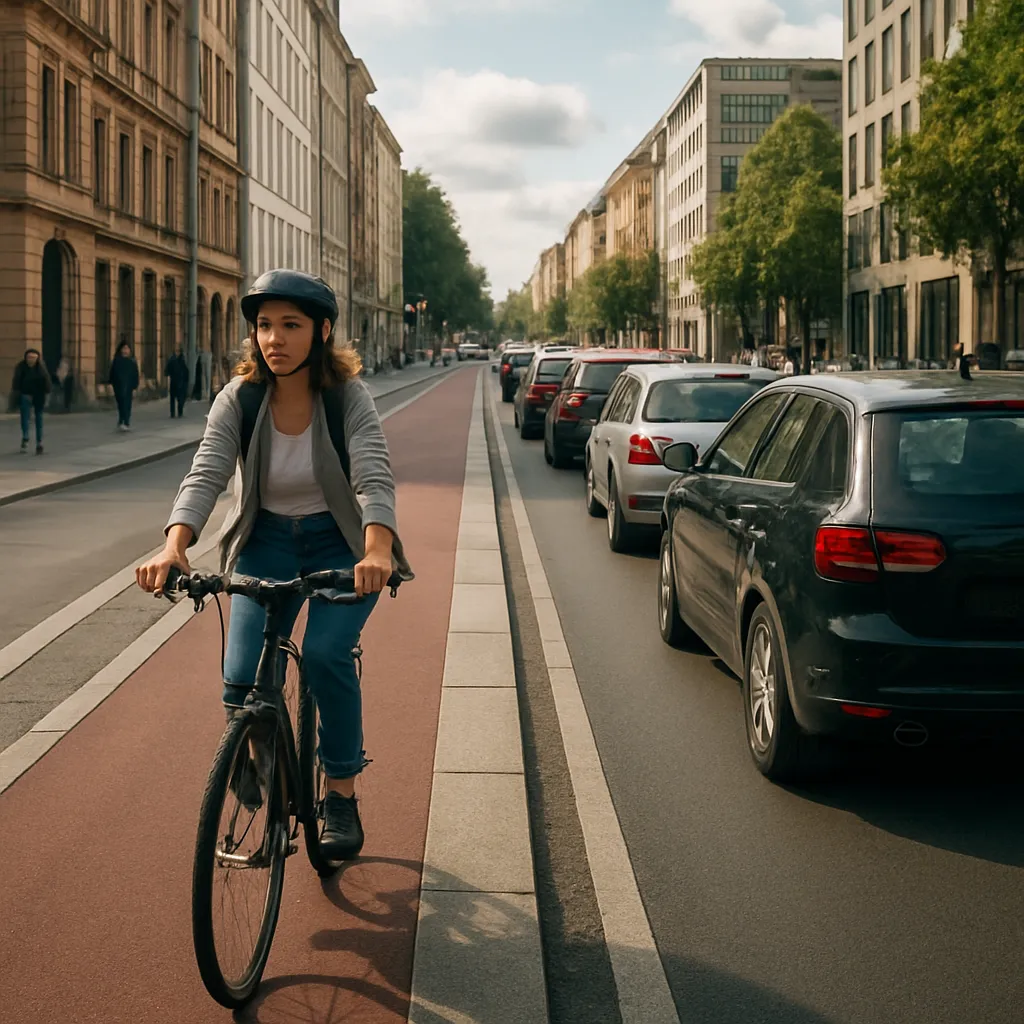
The hum of wheels against asphalt, the gentle sway of handlebars and the freedom to explore every corner of a city by pedal power have redefined urban life. Cycling has evolved from a recreational pastime into a disruptive force reshaping cityscapes around the globe. By championing sustainability and prioritizing human-centered design, municipalities have unlocked new opportunities for healthier, more vibrant and equitable communities.
Urban Infrastructure Evolution Driven by Bicycles
Integration of Cycling Networks and Public Spaces
City planners everywhere are recognizing the value of dedicated bicycle paths. Instead of treating cyclists as afterthoughts, many metropolises now design streets around safe and extensive bike lanes. This shift is supported by investments in infrastructure that reduce conflicts with motor vehicles, foster smoother traffic flow and enhance overall urban connectivity. From protected cycle tracks to floating bus stops with adjacent bike corridors, the emphasis on design excellence ensures that cycling is no longer a niche activity but a mainstream option for daily commutes.
One striking example is the adoption of complete streets policies, where roads are retrofitted to balance the needs of pedestrians, cyclists and transit users alike. These holistic guidelines reinforce accessibility for all, including families with children, elderly riders and people with disabilities. By widening sidewalks, installing refuge islands at crossings and planting trees along bike boulevards, cities such as Copenhagen and Bogotá have created welcoming environments that celebrate two-wheel mobility.
Adaptive Reuse and Shared Mobility Hubs
Beyond on-street lanes, underused spaces under bridges or alongside rail corridors have been converted into vibrant biking corridors. Adaptive reuse projects transform disused industrial zones into greenways, fostering improved air quality and offering recreational trails for residents. Shared mobility hubs—where bike-share docks, e-scooters and charging stations converge—are sprouting near transit stops, encouraging seamless multimodal trips.
These hubs not only reduce reliance on private cars but also encourage spontaneous exploration. By integrating real-time data screens that display bike availability and local points of interest, municipalities harness innovation to optimize user experience. Sensors embedded in these networks help manage traffic flow, detect maintenance needs and foresee seasonal demand surges, ensuring the system remains resilient and responsive to evolving patterns.
Social and Economic Transformations
Community Engagement and Equity
Introducing cycling at scale requires meaningful dialogue with residents. Grassroots organizations often lead “open street” events, temporarily closing roads to showcase the liberating potential of car-free zones. These gatherings foster social bonds, break down barriers among neighbors and highlight the role of collective action in shaping the built environment.
Efforts to enhance equity ensure underserved neighborhoods receive safe bike lanes, affordable bike-share membership subsidies and free maintenance workshops. By expanding access to cycling education programs in schools and community centers, cities empower diverse populations to experience the myriad benefits of active travel. Such inclusive policies underscore the importance of shared responsibility, enabling every citizen to participate in forging sustainable mobility solutions.
Economic Revitalization and Local Businesses
Shifting foot and bicycle traffic through commercial districts has tangible economic payoffs. Cafés, bookstores and artisan shops flourish along bustling cycling corridors, enjoying increased patronage from passersby. Unlike drivers, cyclists are more likely to stop spontaneously, explore side streets and support small enterprises.
- Retail revenues can rise by up to 30% on bike-friendly main streets.
- Lowered parking requirements free up space for outdoor cafés and public art.
- Cycling festivals and races drive tourism, generating hotel and hospitality income.
This economic uplift is especially pronounced in areas undergoing revitalization. By reimagining wide boulevards as vibrant multiuse avenues, city governments stimulate investment and foster job creation in sectors ranging from urban design to bicycle repair and manufacturing.
Environmental and Health Impacts
Reducing Carbon Emissions and Pollution
Replacing short car trips with cycling can dramatically cut greenhouse gas output. Studies show that if just 10% of urban motorists switched to bikes, carbon emissions could decrease by millions of tons annually. This shift benefits not only the global climate but also local air quality, reducing smog and particulate matter that contribute to respiratory illnesses.
By championing environment-friendly transport, municipalities demonstrate commitment to international climate goals. Green corridors lined with native plantings absorb pollutants while creating serene corridors for daily travel. As urban areas contend with increasing climate stressors, the expansion of cycling networks emerges as a cost-effective mitigation strategy.
Promoting Active Living and Public Well-Being
Cycling’s impact on public health is profound. Regular riders experience lower rates of obesity, cardiovascular disease and diabetes. Governments that invest in bike-friendly infrastructure often see reduced healthcare costs over time, as communities become more physically active and less reliant on medical interventions.
Beyond physical benefits, cycling nurtures mental well-being through stress reduction and increased exposure to natural light and social interaction. Shared rides foster connections among strangers and reinforce a sense of belonging. In cities grappling with isolation and mental health challenges, community rides and bike pools serve as low-barrier interventions that restore civic pride and social cohesion.
Challenges, Policies, and Future Outlook
Legislation, Incentives, and Safety Standards
Creating safe cycling environments demands robust policy frameworks. Speed limits on urban streets must be lowered, and intersection designs revamped to prioritize cyclist safety. Mandatory helmet laws, while well-intentioned, sometimes deter ridership and can disproportionately affect low-income riders. Alternative measures—such as neighborhood bike patrols, public education campaigns and subsidized safety gear—often yield better compliance without discouraging participation.
Financial incentives, including tax credits for bicycle purchases and employer-sponsored bike-to-work programs, accelerate adoption. Cities like Portland and Melbourne have pioneered “bike bonuses,” direct payments to residents who track a minimum number of weekly cycling kilometers. These bold initiatives underscore the role of fiscal tools in shaping individual behavior toward greener alternatives.
Technological Advances and Data-Driven Planning
The next frontier lies in leveraging big data and artificial intelligence to refine cycling networks. Prediction models can anticipate demand surges—during events, rush hours or seasonal shifts—allowing authorities to deploy pop-up lanes and allocate maintenance crews proactively. Mobile apps equipped with gamification features motivate riders through rewards and community challenges.
Emerging technologies, such as e-bikes and shared electric cargo bikes, extend the reach of cycling to longer commutes and small-scale deliveries. By integrating dynamic pricing algorithms and usage analytics, operators optimize fleet distribution and ensure that bicycles remain available precisely where and when they are needed.
As urban populations continue to grow, the role of cycling in promoting mobility, reducing congestion and enhancing urban resilience becomes ever more critical. By embedding community values, embracing innovation and nurturing an ethos of sustainable transport, cities can unlock the transformative power of two wheels and build a future defined by accessibility, prosperity and environmental stewardship.