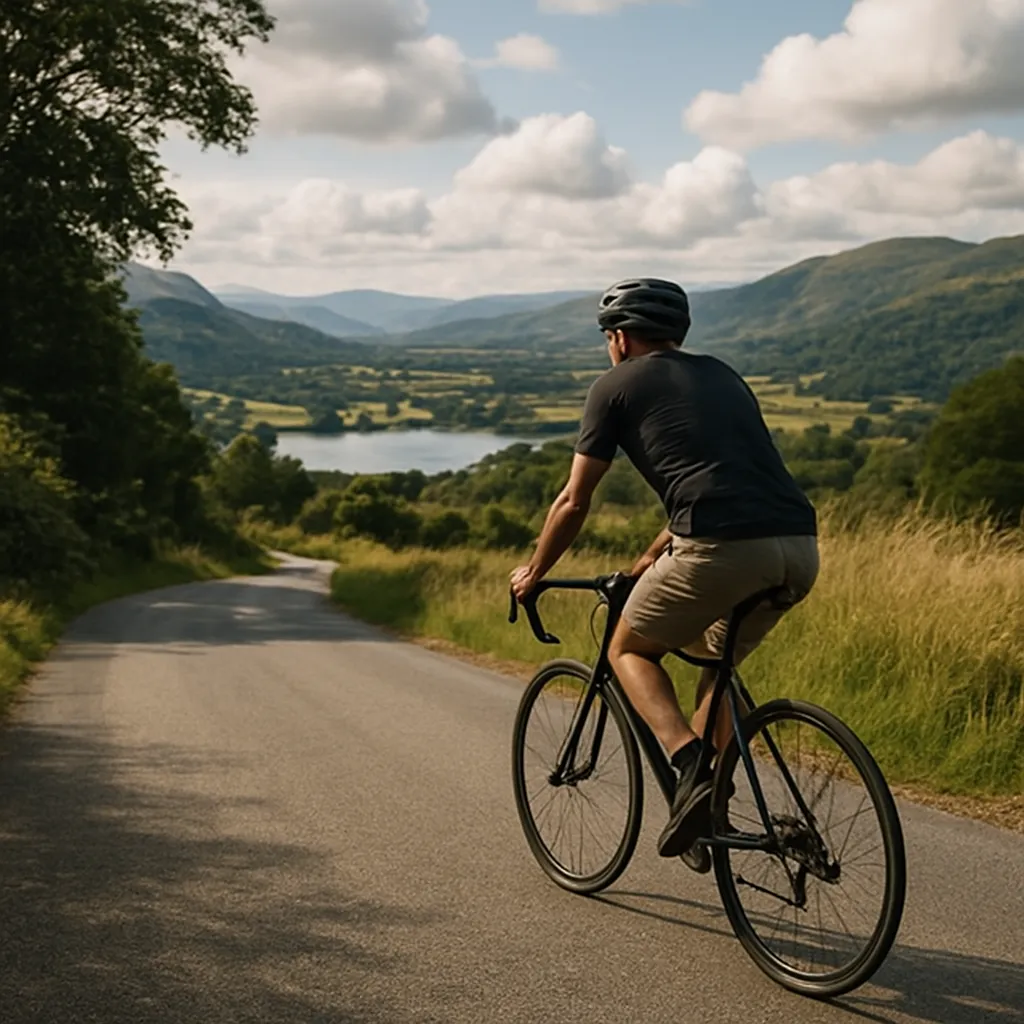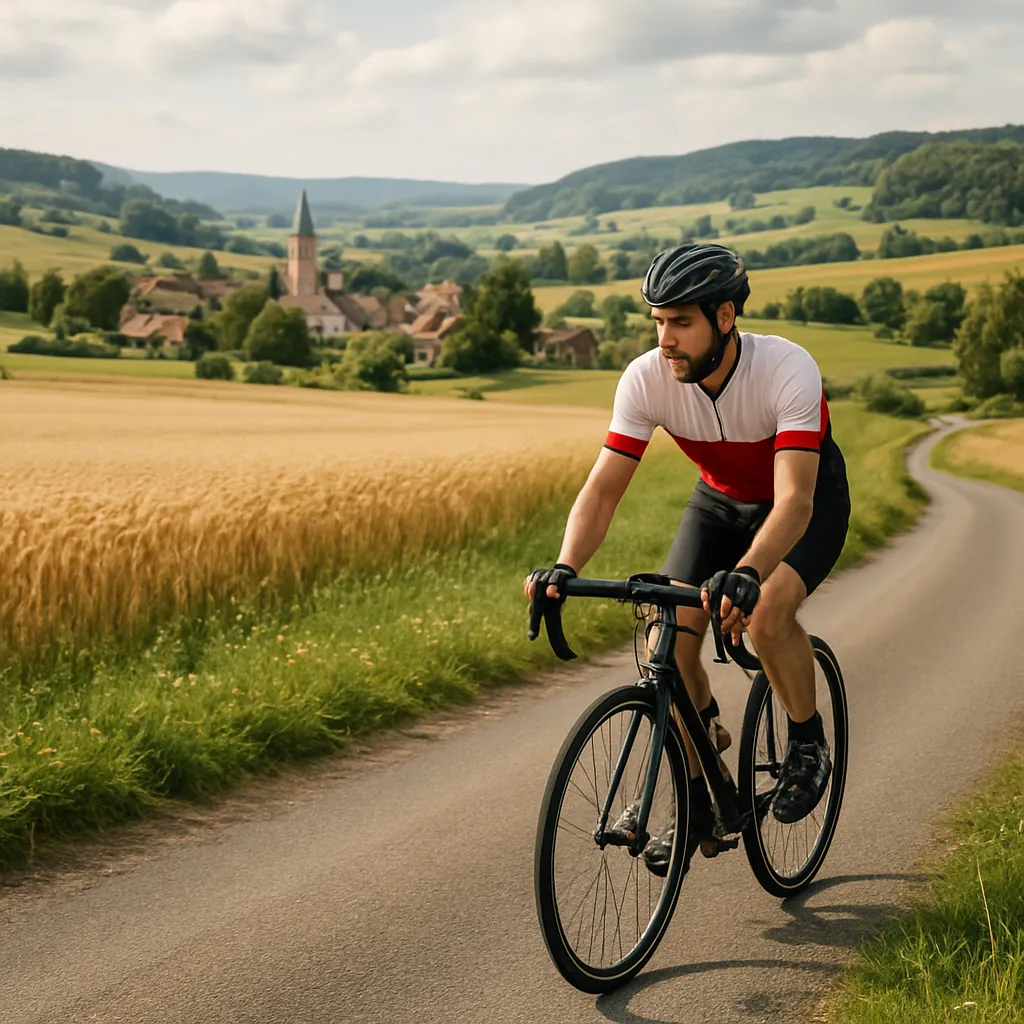
Cycling tourism has emerged as a powerful force reshaping the landscape of countryside regions worldwide. As riders pedal through winding lanes and scenic byways, they bring fresh opportunities for economic growth, cultural exchange, and environmental stewardship. This article explores how bicycles are driving transformation in rural communities, enhancing local infrastructure, generating revenue, and fostering a deeper appreciation for heritage and natural beauty.
Expanding Access and Infrastructure
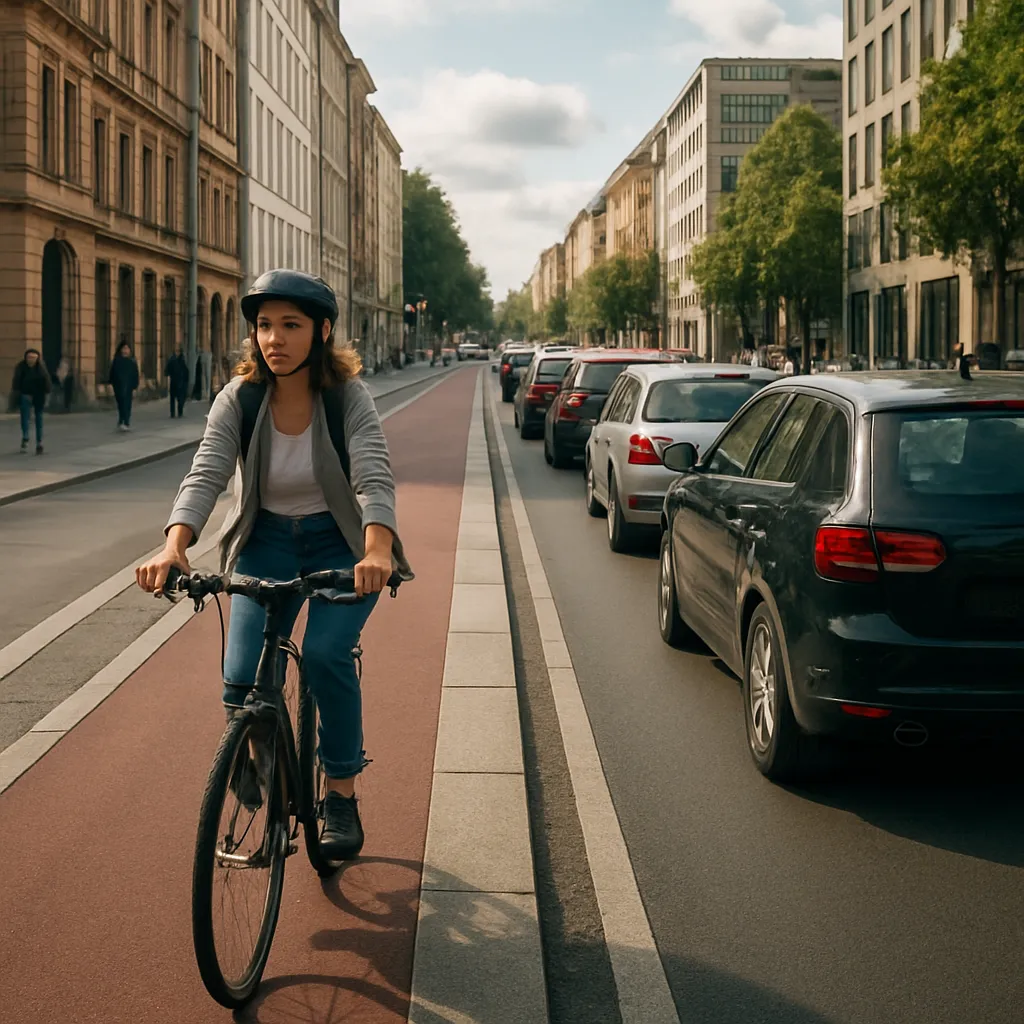
One of the most immediate impacts of cycling tourism in rural areas is the improvement of infrastructure. Small towns and villages that were once sidelined benefit from upgraded roads, dedicated bike lanes, and clearly marked trails. Local governments and private stakeholders often collaborate to create a network of well-maintained routes, ensuring that cyclists of all skill levels can navigate safely.
Key infrastructure initiatives include:
- Rest stops with water refill stations and repair kits
- Signage highlighting distances, elevations, and points of interest
- Secure bicycle parking and storage facilities
- Shared paths integrating pedestrian and cycle traffic
Investing in these amenities not only attracts more visitors but also encourages residents to adopt cycling as a daily mode of transport, promoting healthier lifestyles and reducing carbon emissions. Moreover, improved routes often forge connections between remote hamlets and regional hubs, stimulating further development and accessibility.
Boosting Local Businesses and Revenue
As cyclists travel through rural corridors, their spending habits inject much-needed capital into local economies. Small enterprises, from family-run inns to roadside cafes, experience a steady influx of customers eager to rest, dine, and explore. This growing demand helps diversify income streams for communities that may have relied heavily on agriculture or limited industry.
Accommodation and Hospitality
Cycle-friendly lodging options have proliferated, encompassing boutique guesthouses, eco-lodges, and bed-and-breakfasts that cater to outdoor enthusiasts. Many establishments offer special packages that include bike storage, repair services, and gourmet breakfasts tailored for active travelers. By branding themselves as cyclist-oriented, these businesses distinguish their offerings and build a loyal clientele.
Local Products and Cultural Experiences
Cyclists often crave authentic interactions with regional culture and traditions. Farmers’ markets, craft workshops, and heritage tours capitalize on this interest by providing immersive experiences. Visitors might sample artisanal cheeses, participate in pottery classes, or join guided tours of historic sites. Such activities generate revenue beyond mere accommodation and dining, strengthening the bond between guests and host communities.
- Handcrafted souvenirs reflecting local artistry
- Tasting sessions of regional wines, beers, and spirits
- Interactive farm visits and educational demonstrations
Promoting Sustainable Practices and Community Engagement
Sustainability lies at the heart of cycling tourism’s appeal. Unlike motorized travel, bicycle tours leave minimal ecological footprints. Rural regions benefit from reduced noise, air, and soil pollution, preserving delicate ecosystems and wildlife habitats. Communities are prompted to adopt green policies, such as waste reduction initiatives and renewable energy projects, to align with environmentally conscious visitors.
Encouraging residents to participate in cycle tourism fosters a sense of ownership and pride. Volunteer guides, local artisans, and hospitality providers collaborate to create unique offerings that showcase their heritage and natural surroundings. This communal effort strengthens social ties and equips communities with the skills needed to manage growth responsibly.
- Tree-planting events along popular routes
- Community-led trail maintenance and clean-up days
- Workshops on eco-friendly building for bike stations
Such initiatives ensure that the benefits of cycling tourism extend beyond financial gains, nurturing a resilient and engaged community that values conservation and shared prosperity.
Challenges and Future Prospects
Despite its many advantages, cycling tourism faces hurdles in some rural landscapes. Inadequate funding, seasonal weather extremes, and safety concerns can deter potential visitors and stall progress. Addressing these issues requires coordinated strategies:
- Securing public and private investment for long-term development projects
- Implementing safety training programs for both cyclists and motorists
- Designing all-season routes with protective shelter and service points
- Marketing campaigns that highlight lesser-known destinations
Looking ahead, the integration of digital tools such as mobile route-planning apps and virtual reality previews promises to enhance the cycling experience. Data-driven insights on trail usage and visitor preferences will enable targeted improvements, creating a feedback loop that benefits both hosts and guests. Collaboration with environmental organizations can further embed sustainability into every facet of cycle tourism, ensuring that rural regions thrive economically while preserving their natural charm.
Ultimately, as the world embraces more active and eco-friendly travel options, bicycles stand poised to revolutionize rural economies, championing alternative mobility and drawing global interest to the hidden gems of the countryside.