In recent years, urban areas around the globe have witnessed a remarkable resurgence of interest in cycling as a primary mode of transportation. The emergence of dedicated bike lanes, public bike-share programs, and cycling-friendly policies underscores a broader commitment to greener, more efficient urban mobility. As cities strive to address congestion, air pollution, and public health challenges, local governments play a pivotal role in creating a supportive environment for cyclists. This article explores practical strategies that municipalities can adopt to advance sustainability, enhance connectivity, and ensure that cycling becomes a safe, accessible, and enjoyable option for all residents.
Designing Inclusive Cycling Infrastructure
Developing a robust network of cycleways requires careful planning and attention to detail. By prioritizing the needs of diverse user groups—from daily commuters to recreational cyclists—municipal planners can cultivate an environment where biking is both practical and appealing. Key considerations include the physical separation of bicycles from motor vehicles, seamless integration with other modes of transit, and universal accessibility features that accommodate riders of all abilities.
- Separated bike lanes with concrete curbs or flexible bollards
- Intersection treatments to minimize conflict points
- Wayfinding signage and bike-friendly traffic signals
- Secure, well-lit parking facilities at transit hubs
- Connections to parks, schools, and commercial centers
Protected Bike Lanes
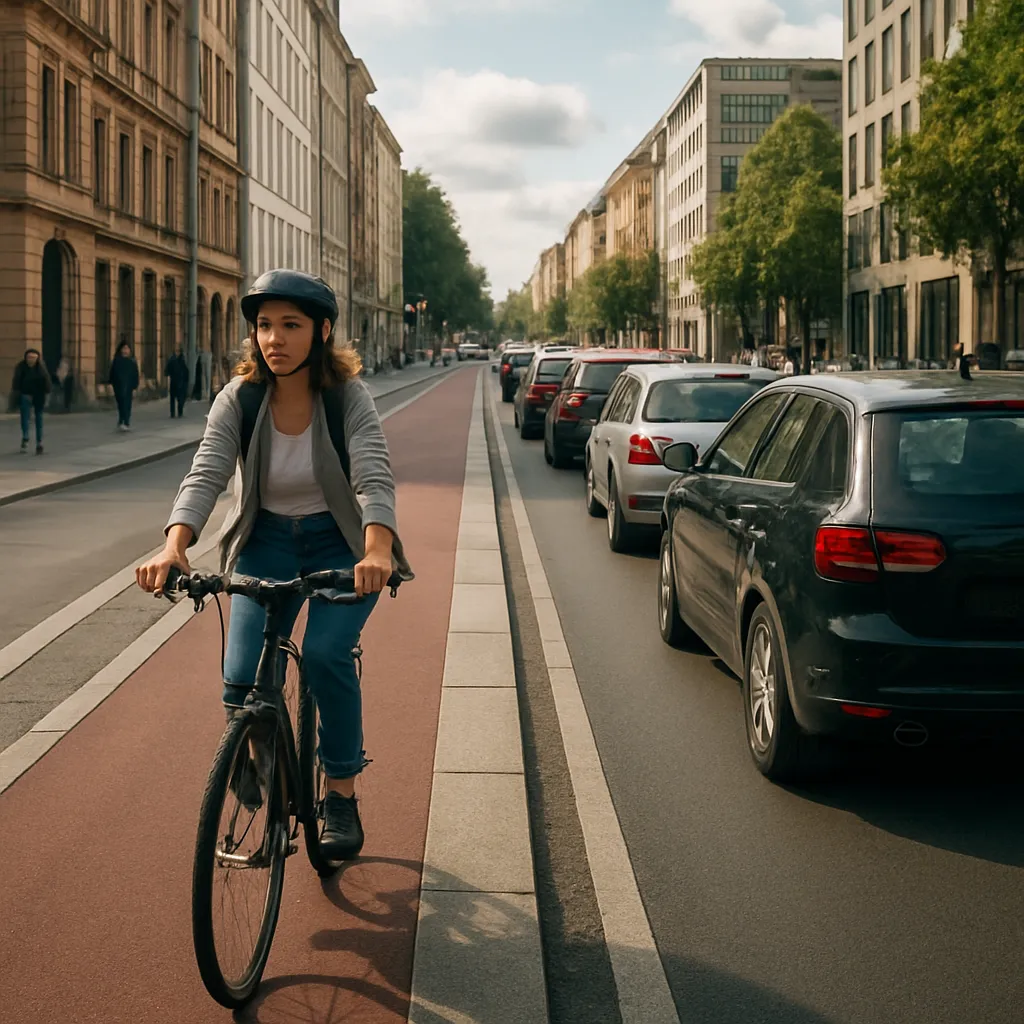
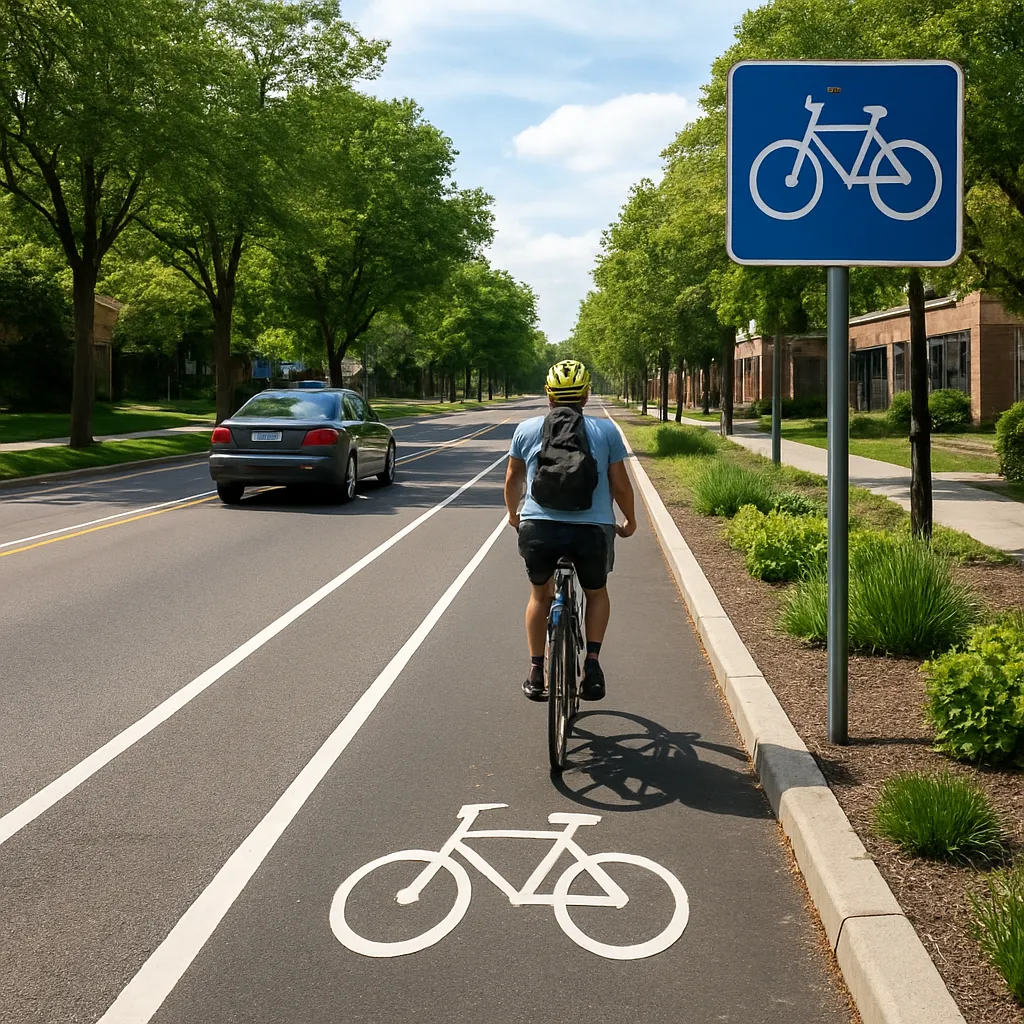
One of the most effective measures to boost rider confidence is the installation of protected bike lanes, which utilize physical barriers to shield cyclists from vehicular traffic. These lanes not only improve safety but also encourage individuals who might otherwise hesitate to try cycling. A network of continuous, protected routes can transform cycling from a niche activity into a mainstream transportation choice.
Traffic-Calming Measures
Implementing features such as raised crosswalks, chicanes, and speed humps helps to slow motor vehicle traffic in mixed-use zones. By reducing vehicular speeds, local authorities create a more harmonious street environment where cyclists, pedestrians, and drivers coexist with fewer incidents. In addition, narrowed traffic lanes and curb extensions can shorten crossing distances and foster a more pedestrian- and cyclist-friendly atmosphere.
Policy Frameworks and Strategic Planning
Establishing a coherent policy framework lays the groundwork for sustained progress. Municipalities can set ambitious cycling targets in their comprehensive plans, allocate dedicated budget lines, and ensure cross-departmental collaboration to align transportation, land use, and environmental objectives. A multi-faceted approach that encompasses regulation, incentives, and performance monitoring is essential for long-term success.
- Incorporating cycling goals into local master plans
- Setting measurable benchmarks for network expansion
- Revising zoning codes to encourage bike-friendly development
- Offering tax credits or rebates for bike-related purchases
- Partnering with schools and employers to promote bike commuting
Integrated Mobility Plans
By weaving cycling strategies into broader mobility plans, cities can ensure that bike networks complement public transit, pedestrian pathways, and emerging micro-mobility options. This holistic vision fosters modal equity and prevents cycling from being treated as an afterthought. When transit hubs include designated bike parking and seamless connections, riders experience a fluid, door-to-door journey.
Incentive Programs
Local governments can stimulate cycling adoption through innovative incentive schemes. Bike-to-work challenges, payroll deduction plans for purchasing high-quality bicycles, and public recognition awards for frequent riders motivate individuals while raising the profile of cycling. Collaborating with employers to install on-site locker rooms and showers further removes barriers for commuter cyclists.
Funding Mechanisms and Economic Benefits
Securing adequate resources is often the most significant hurdle for municipal cycling initiatives. Traditional funding sources—such as general transportation budgets—may be insufficient, prompting governments to explore creative financing models. By demonstrating the investment value of cycling infrastructure, officials can unlock new streams of revenue and illustrate compelling returns on public expenditures.
- Allocating a fixed percentage of roadway budgets to cycling
- Applying for national or regional grants dedicated to active mobility
- Forming public-private partnerships to fund large-scale projects
- Implementing impact fees on new developments to fund local networks
- Engaging in community crowdfunding for small neighborhood improvements
Public-Private Partnerships
Collaborations with private entities—such as bike-share operators, developers, and philanthropic foundations—can amplify local government efforts. Shared-cost agreements, joint marketing campaigns, and co-branded facilities help offset capital expenses while showcasing a united front in promoting cycling. Such partnerships often bring innovation in design, technology, and service delivery to municipal projects.
Grant Funding Opportunities
National transportation agencies, environmental organizations, and health foundations frequently offer grants to support active transportation initiatives. Crafting successful grant applications hinges on clearly articulating project goals, anticipated community benefits, and measurable performance metrics. By aligning proposals with broader policy priorities—such as reducing greenhouse gas emissions—cities can strengthen their competitiveness for funding.
Community Engagement and Education
Building a vibrant cycling culture requires more than physical infrastructure; it demands active participation and buy-in from residents. Outreach efforts, educational campaigns, and grassroots partnerships can shift public perceptions and foster an inclusive environment. When citizens feel empowered to voice their ideas, they become champions of local cycling projects and advocates for ongoing improvements.
- Hosting bike rodeos and safety demonstrations for children
- Organizing open street events and ride-alongs
- Collaborating with neighborhood associations on bike audits
- Sharing success stories through local media and social platforms
- Facilitating online feedback portals for network planning
Awareness Campaigns
Strategic marketing initiatives—ranging from social media hashtags to citywide poster campaigns—highlight the benefits of cycling, including health improvements, reduced traffic congestion, and economic vitality. Engaging local influencers, health professionals, and community leaders amplifies the message and underscores the community dimension of cycling advocacy.
Skills Training Workshops
Offering free or subsidized training sessions helps new cyclists develop essential competencies, such as safe intersection navigation, nighttime riding techniques, and basic bike maintenance. Partnering with local bike shops and advocacy groups ensures that participants receive expert guidance and build confidence on two wheels.