Embarking on a journey into the world of mountain biking can ignite a passion for exploration and adrenaline-fueled adventure. Whether you dream of carving through singletrack forests or conquering rocky switchbacks, understanding the essentials of this sport will set you on the path to success. This guide breaks down the core concepts—from selecting the right ride to mastering basic techniques—so you can hit the trails with confidence.
Choosing Your First Mountain Bike
Selecting the perfect bike is a cornerstone of every rider’s progress. A well-matched bicycle enhances comfort, improves performance, and reduces the risk of injury. Below are factors to consider before making a purchase.
Type of Bike
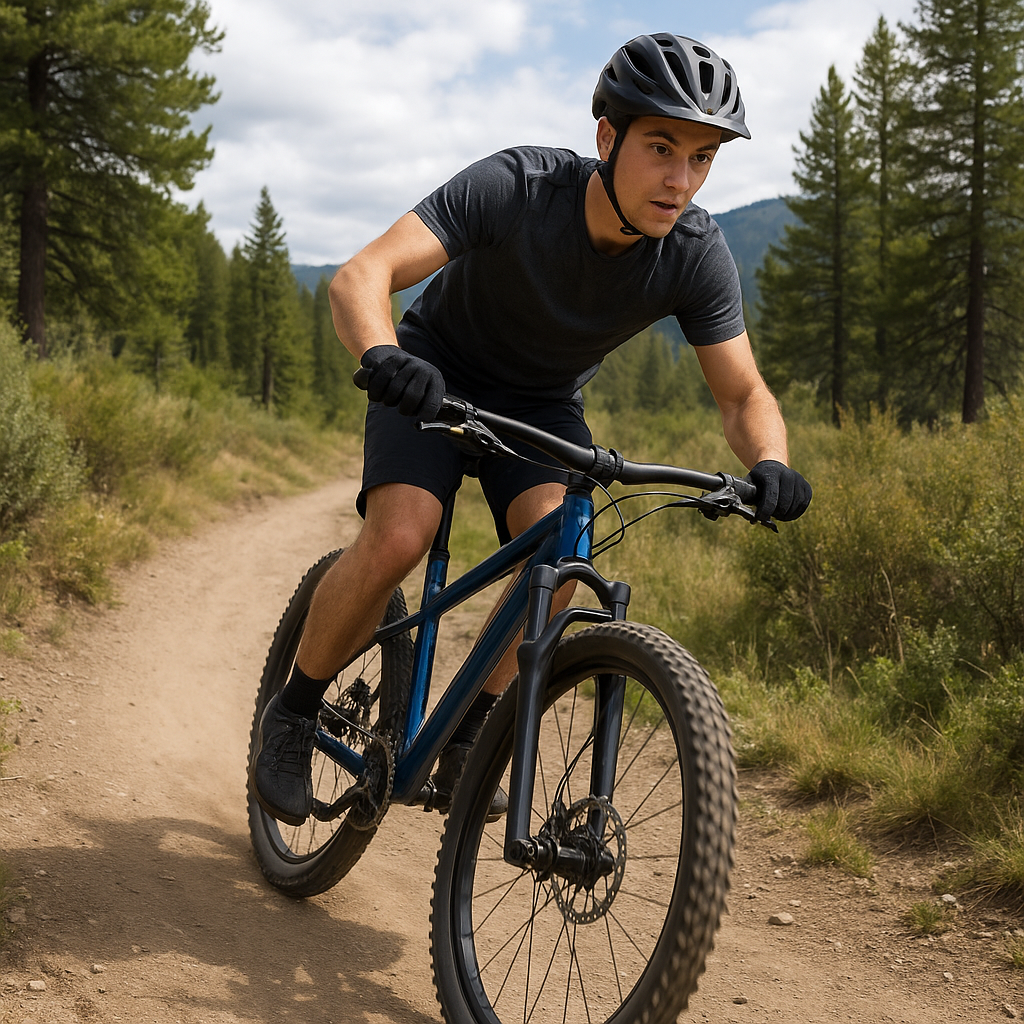
- Hardtail (front suspension only): Ideal for beginners seeking a lighter, more affordable option. Offers efficient pedaling on smoother trails and helps develop momentum skills.
- Full suspension (front and rear shock): Provides superior control on rough, technical terrain. More expensive but absorbs impacts better, enhancing traction and rider comfort.
- Rigid frames: Rare in modern trail riding but valued for simplicity and low maintenance. Best suited for casual off-road paths or bikepacking.
Wheel Size Matters
- 26-inch wheels: Once the standard, now primarily for smaller riders or vintage enthusiasts. Agile but less capable over obstacles.
- 27.5-inch (650B): Strikes a balance between nimbleness and rollover ability. Popular choice for trail and all-mountain models.
- 29-inch wheels: Excel at rolling over roots and rocks. Offer improved stability at high speeds, though slightly less maneuverable in tight corners.
Frame Material and Fit
- Aluminum: Cost-effective and durable. Slightly heavier than carbon but offers excellent value for entry-level riders.
- Carbon fiber: Lightweight with superior vibration damping. Higher price tag but can significantly reduce rider fatigue on long rides.
- Fit considerations: Stand over height, reach, and handlebar width. Always test-ride before committing.
Essential Gear and Safety
Beyond the bike itself, proper equipment ensures you stay protected and prepared. Investing in quality gear can make the difference between a fun outing and a frustrating—or dangerous—experience.
Protective Equipment
- Helmet: A must-have for every rider. Choose a model with MIPS or other advanced safety features.
- Gloves: Provide grip and protect your palms during falls.
- Knee and elbow pads: Crucial for technical descents and rocky trails.
- Protective eyewear: Shields eyes from debris, UV rays, and branches.
Tools and Maintenance
- Compact multi-tool: Includes hex keys, screwdrivers, and chain tools for on-trail adjustments.
- Tire repair kit: Spare tubes, patches, CO₂ inflator or pump.
- Chain lubricant: Maintains smooth shifting and extends drivetrain life.
- Cleaning brushes and degreaser: Keep your bike free of grit and grime.
Clothing and Hydration
- Moisture-wicking jersey and padded shorts: Enhance comfort and reduce chafing.
- Hydration pack or water bottles: Maintain fluid balance, especially on hot or steep hikes.
- Nutrition: Energy bars or gels to sustain your endurance on longer rides.
Developing Skills and Techniques
Mastering certain fundamental skills will boost your confidence on diverse trails. Practice these drills before tackling challenging terrain.
Body Position and Balance
- Neutral stance: Keep pedals level, elbows and knees slightly bent, and weight centered.
- Attack position: Lower your torso, shift weight back, and grip handlebars firmly when descending.
- Cornering: Lean the bike into turns while your body remains upright to maintain traction.
Braking and Speed Control
- Feather both brakes: Use rear brake for modulation and front brake for stopping power.
- Avoid skids: Practice gentle braking to prevent slides on loose surfaces.
- Throttle throttle: Gradually increase speed in unfamiliar sections until you’re comfortable.
Climbing and Descending
- Uphill technique: Keep a steady cadence, stand when necessary, and maintain traction by shifting weight forward.
- Downhill strategy: Stay relaxed, look ahead, and let the bike flow over obstacles.
Finding and Planning Your Rides
Exploring new trails requires research and preparation. Smart planning enhances enjoyment and safety.
Trail Research
- Online platforms: Use apps and websites to discover trail difficulty ratings and recent user feedback.
- Local bike shops: Seek advice from experienced riders and map recommendations.
- Guidebooks: Offer detailed descriptions of singletrack networks and elevation profiles.
Group vs. Solo Riding
- Group rides: Foster camaraderie, provide on-trail support, and introduce you to new routes.
- Solo rides: Offer solitude and a chance to move at your own pace. However, always inform someone of your itinerary.
Trail Etiquette
- Yield hierarchy: Uphill riders have right of way. Hikers should be treated as top priority.
- Minimize erosion: Stay on designated trails, avoid skidding, and respect seasonal closures.
- Leave no trace: Pack out all trash and stray gear.
Ongoing Maintenance and Upgrades
Routine upkeep keeps your bike performing at its peak and extends component life. As you grow in the sport, consider tailored upgrades to match your evolving style.
Regular Maintenance Schedule
- Pre-ride checks: Inspect tires, brakes, and chain tension before every outing.
- Monthly service: Clean drivetrain, check torque on bolts, and adjust suspension settings.
- Annual overhaul: Replace worn cables, service suspension internals, and true wheels.
Upgrading Components
- Grips and saddle: Swap for more ergonomic designs to boost comfort.
- Tires: Select tread patterns suited to your favorite terrain and weather conditions.
- Brakes and drivetrain: Upgrade to higher-end models for lighter weight and improved modulation.