Embarking on a bicycle journey combines freedom, adventure and the pursuit of peak performance. Whether you are a weekend enthusiast tackling local trails or a competitive rider preparing for long-distance events, the foods you choose before, during and after a ride can make a profound difference. Proper nutrition fuels your endurance efforts, supports optimal metabolism and speeds recovery so you can mount the saddle day after day with confidence. This guide explores the best strategies and specific foods to maximize your energy, maintain robust hydration and replenish key nutrients for stronger, healthier muscles and sustained performance.
Optimal Pre-Ride Nutrition
Before setting out on two wheels, the body demands a balance of slow-digesting and fast-acting fuel. Consuming a meal 2 to 3 hours ahead establishes glycogen stores in your liver and muscles. Emphasize complex carbohydrates for long-lasting energy and moderate protein to support muscle function. A well-timed snack 30–60 minutes before departure can top up blood sugar levels without causing digestive discomfort.
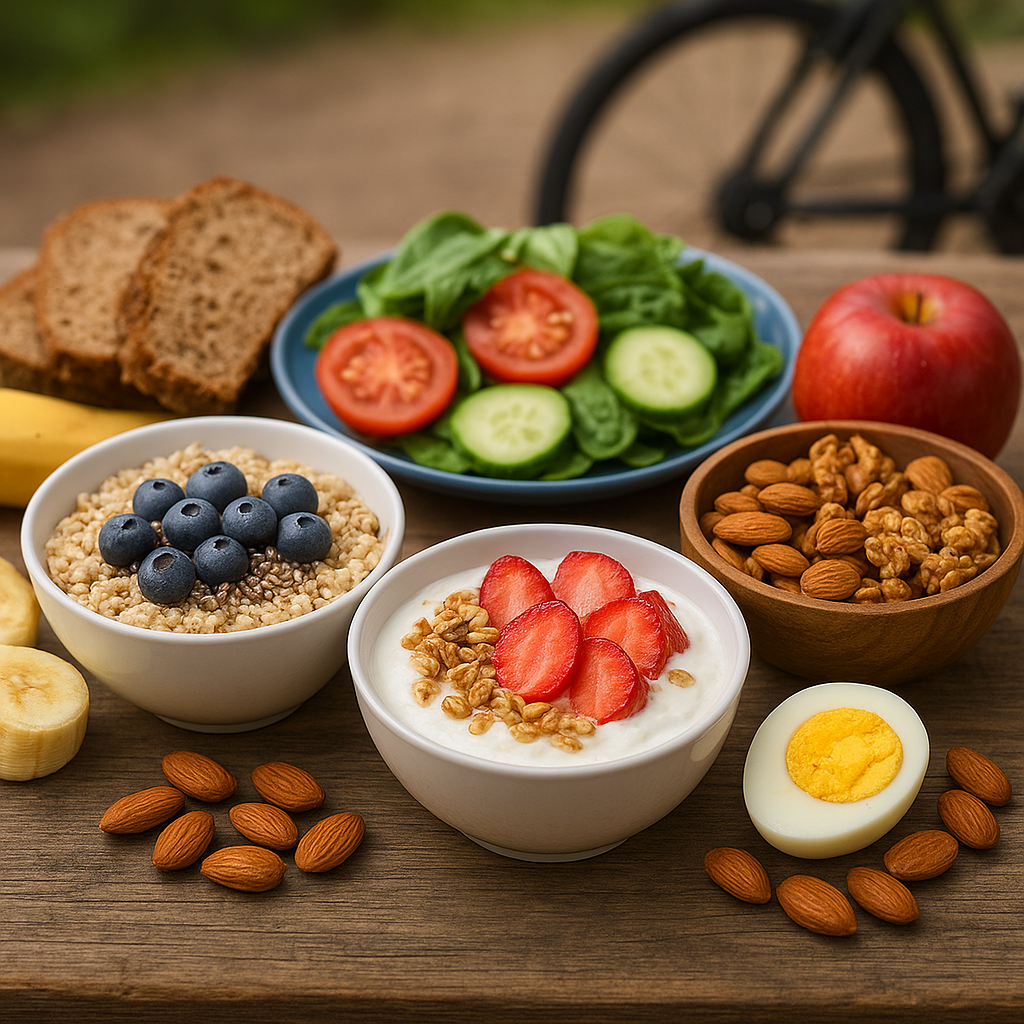
- Oatmeal with sliced banana and a drizzle of honey provides fiber-rich carbs plus a small protein boost.
- Whole-grain toast topped with nut butter and a sprinkle of chia seeds offers healthy fats and sustained energy.
- Greek yogurt mixed with berries supplies protein and antioxidants to prime your cells.
- A small smoothie blending spinach, fruit and a scoop of plant-based protein powder ensures quick absorption.
Maintaining proper timing of these meals helps avoid early-onset fatigue. Experiment during training to find what combination sits well in your stomach and powers you through the first leg of your ride.
Mid-Ride Fueling Strategies
Long rides exceeding 60 minutes require additional calories and electrolytes to keep energy levels steady. Your body burns through glycogen reserves roughly every 90 minutes, so plan to consume 30–60 grams of carbohydrates per hour. This prevents bonking and sustains pace over rolling hills or extended climbs.
- Energy gels and chews designed for cyclists deliver fast-absorbing carbohydrates in convenient portions.
- Half a sandwich made with lean turkey or nut butter on whole-grain bread strikes a balance of carbs and protein.
- Fresh fruit such as dates, figs or watermelon chunks provides natural sugars, water content and electrolytes.
- Electrolyte tablets dissolved in your water bottle maintain optimal electrolyte balance and prevent cramping.
Staying disciplined with small bites at regular intervals ensures your muscles have the glucose they need, minimizing performance dips. Keep snacks accessible in jersey pockets or saddle bags to uphold consistency throughout your ride.
Post-Ride Recovery Nutrition
Completing a challenging ride is only half the battle. What you eat in the first 30–60 minutes post-ride plays a crucial role in refilling glycogen stores and initiating muscle repair. A ratio of 3:1 or 4:1 carbohydrates to protein accelerates recovery by supplying both building blocks and the energy needed for cellular repair.
- Chocolate milk offers a convenient 4:1 carb-to-protein ratio, along with calcium to support bone health.
- Grilled chicken or tofu wrap filled with vegetables and hummus combines lean protein, fiber and healthy fats.
- Cottage cheese paired with pineapple chunks delivers casein protein and simple sugars for rapid replenishment.
- A quinoa salad loaded with beans, roasted vegetables and avocado supplies complex carbs, essential amino acids and monounsaturated fats.
Rehydration is equally essential. Continue sipping water mixed with an electrolyte solution to restore minerals lost in sweat. Stretch gently and consider a foam roller session to improve blood flow and ease muscle tightness.
Hydration and Electrolyte Balance
Water alone may not suffice during intense or extended rides. Sweating leads to the loss of sodium, potassium, magnesium and calcium, all of which govern nerve function and muscle contraction. Without proper electrolyte replacement, cyclists risk cramps, headaches and diminished performance.
- Sports drinks with balanced sodium and potassium levels help maintain fluid balance during long efforts.
- Adding a pinch of sea salt to homemade electrolyte water ensures you replace vital minerals.
- Bananas and dried apricots are natural sources of potassium to combat post-ride stiffness.
- Dairy products and leafy greens offer calcium and magnesium to support healthy nerve signaling.
Monitor the color of your urine and weigh yourself before and after rides to gauge fluid losses. Strive to replace 125–150% of the weight lost through sweating over the next 4–6 hours to achieve full rehydration.
Supplemental Aids and Micronutrients
Beyond macronutrients, certain supplements can boost your cycling regimen by targeting recovery and overall well-being. Creatine improves short-burst power, while beta-alanine can delay the onset of fatigue. Omega-3 fatty acids reduce inflammation, and vitamin D supports bone density and immune function.
- A daily multivitamin ensures you meet baseline requirements for B-vitamins, iron and zinc.
- Turmeric or curcumin supplements offer natural anti-inflammatory benefits to soothe muscle soreness.
- L-Glutamine helps maintain intestinal integrity and may speed tissue repair after grueling rides.
- Caffeine taken 30–45 minutes before a ride can sharpen focus and enhance endurance capacity.
Always consult a healthcare professional before adding new supplements, especially if you have underlying health conditions or are taking medications.
Integrating Nutrition into Daily Routine
Consistency off the bike is as important as diligence on the road. Plan your meals around training sessions, and prepare snacks in advance to avoid relying on convenience options. Keep a food journal to track what combinations yield your best energy levels and fastest recovery.
- Meal-prep staples such as grilled chicken, roasted vegetables and brown rice can be portioned into ready-to-eat containers.
- Frozen smoothie packs of fruit, spinach and seeds make for instant, customizable pre-ride blends.
- Snack boxes with nuts, dried fruit and dark chocolate squares can satisfy cravings while providing balanced macros.
- Regularly rotating ingredients prevents nutrient gaps and keeps meals exciting.
Pay attention to your body’s feedback. Fine-tune the ratio of fats to carbs, adjust protein portions based on ride intensity and prioritize sleep to optimize growth hormone release and recovery processes.
Enhancing Performance with Smart Choices
Strategic nutritional choices fuel every pedal stroke, transform training gains into tangible improvements and help you crush personal records. By understanding the roles of macronutrients, maintaining robust hydration, replenishing electrolytes and integrating micronutrients, cyclists unlock greater power output and faster recovery. Elevate your riding experience by treating food as an essential component of your gear. With a thoughtfully crafted nutrition plan, every climb feels surmountable, every sprint sharper and every ride more rewarding.