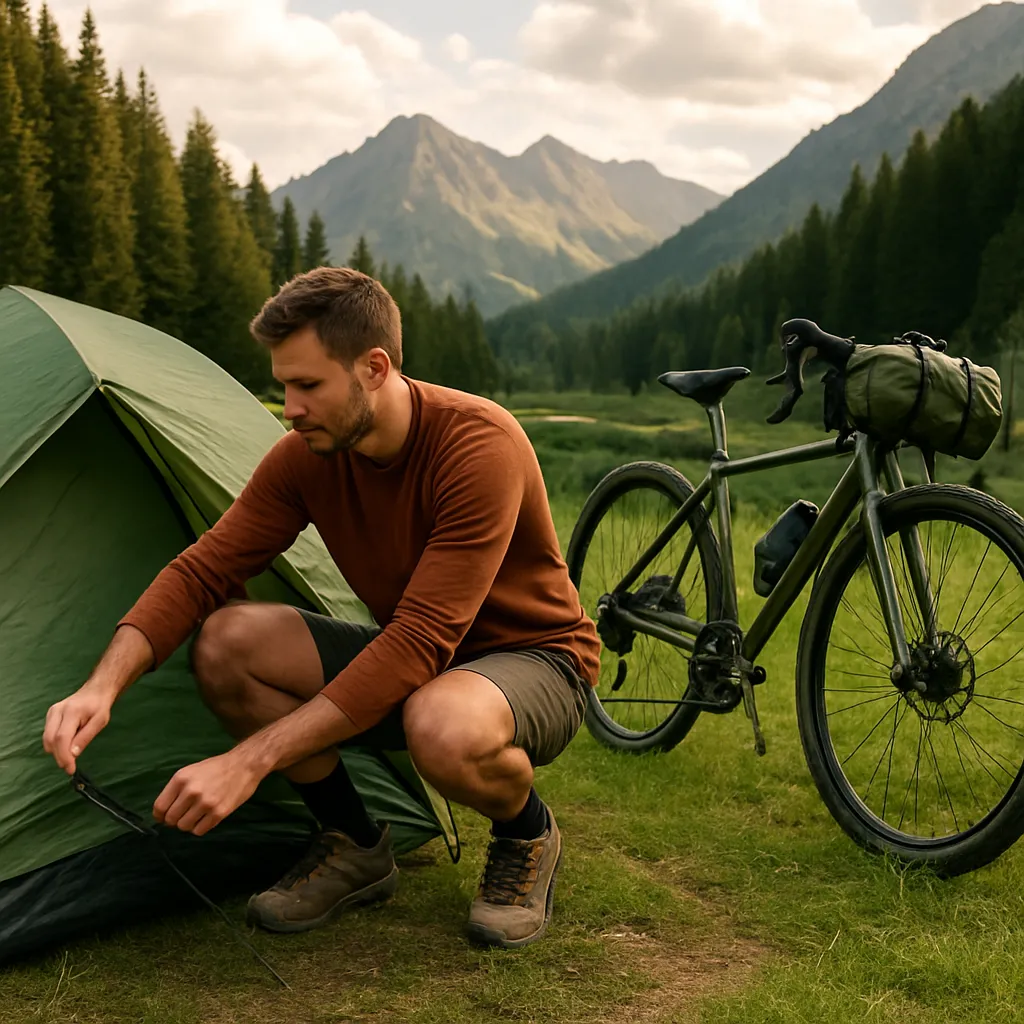
Embarking on a journey that blends two beloved outdoor pursuits—cycling and camping—opens the door to unparalleled excitement. This guide will help you master the art of bikepacking by exploring essential gear, strategic planning, and techniques to enhance your resilience on the trail. Whether you’re chasing remote vistas or simply seeking a deeper connection with nature, this comprehensive approach ensures your odyssey is powered by freedom and unforgettable adventure.
Equipment Essentials
Choosing the right equipment is crucial for a successful expedition. Every ounce counts when you’re pedaling long distances, so prioritizing lightweight yet durable items is key.
- Bike Selection: Opt for a robust gravel, mountain, or touring bike designed to handle varying terrain. Disc brakes and wide tires improve stability and traction on loose surfaces.
- Frame Bags & Panniers: Distribute weight evenly by using a combination of frame bags, seat packs, and handlebar rolls. High-quality navigation-friendly bags often include compartments for maps and tools.
- Ultralight Tent or Bivy: A shelter that balances protection from the elements with minimal bulk helps reduce pack weight. Look for models made with ripstop nylon and waterproof coatings.
- Sleeping System: A compact sleeping pad and a 3-season quilt or sleeping bag rated to your destination’s nighttime lows are non-negotiable. Inflatable pads can tip the scales in comfort and warmth.
- Cooking Setup: A small canister stove with a titanium pot, spork, and a lightweight fuel bottle provides basic meal prep without excess mass.
- Tools & Spares: Carry a multi-tool, spare tubes, patch kit, tire levers, mini-pump or CO₂ inflator, chain quick-link, and a few brake pads. Even minor malfunctions can halt your progress miles from assistance.
Route Planning and Navigation
Mapping your course is more than drawing lines on a map; it involves terrain assessment, logistics, and anticipating challenges. Effective planning lays the groundwork for a smooth ride and easier decision-making on the go.
Choosing the Perfect Trail
- Terrain Analysis: Research elevation profiles, surface types, and seasonal conditions. Gravel roads, singletrack, and forest trails each demand different skill levels and pacing strategies.
- Water & Resupply Points: Pinpoint natural springs, convenience stores, or town stops to refill water reserves and restock food. Dehydration or running out of snacks can derail morale quickly.
- Legal Access & Permits: Confirm whether camping or cycling is permitted in national parks, wilderness areas, or private land. Acquire any necessary permits in advance to avoid fines or denials at trailheads.
Mapping Tools and Apps
- Paper Maps & Compass: Always carry a backup in case your electronic devices fail. Understanding topographic lines and basic navigation skills is invaluable during battery depletion or inclement weather.
- GPS Devices & Smartphones: Download offline maps via apps like Komoot, Ride with GPS, or Gaia GPS. Utilize GPX files for turn-by-turn guidance and elevation data.
- Route Markers & Waypoints: Mark campsites, scenic overlooks, and hazard zones. Waypoints help maintain focus and enable you to adjust your daily mileage goals.
Camp Setup on Two Wheels
Transforming a remote clearing into a cozy campsite demands not only gear but also mindful execution. Efficiency and minimal impact on the environment should guide every step.
Packing Strategies
- Weight Distribution: Keep heavier items close to the bike’s center, such as in frame bags, to preserve handling. Store frequently used items, like a rain jacket or snacks, in accessible pockets.
- Modular Packing: Use dry bags to separate clothing, electronics, and cooking gear. This system simplifies finding essentials and guards against unexpected downpours.
- Daily vs. Shared Supplies: If traveling with a partner, divide communal items like the tent and stove to lighten individual loads.
Setting Up Camp
- Site Selection: Find a flat, erosion-free location at least 200 feet from water sources to protect riparian habitats. Check overhead for dead branches that could fall in strong winds.
- Leave No Trace Principles: Pack out all trash, cook away from your tent, and scatter food scraps to prevent wildlife encounters. Respect local regulations about campfire usage.
- Securing Your Bicycle: Use a small cable lock to fasten your bike to a sturdy tree or rock. This simple step deters opportunistic theft during rest or exploration breaks.
Safety and Maintenance
On a multi-day journey, unplanned setbacks can range from mechanical failures to sudden weather shifts. Proactive maintenance and risk management keep you moving forward with confidence.
- Daily Bike Check: Inspect tire pressure, brake function, chain lubrication, and spoke tension each morning. Minor adjustments prevent major breakdowns down the line.
- Weather Monitoring: Check forecasts each evening and morning. Prepare for temperature swings by layering clothing and adjusting campsite location if storms approach.
- First Aid & Emergency Plans: Carry a compact first-aid kit, emergency blanket, and whistle. Share your planned route and estimated check-in times with someone back home.
- Endurance Training: Gradually increase overnight distances in training rides. Familiarity with your physical limits reduces fatigue and injury risk on longer adventures.
Embracing the Journey
Beyond logistics and gear, the true magic lies in fostering a mindset of discovery and adaptability. Each pedal stroke and campfire moment represents a chapter in your narrative of self-reliance and wonder.
- Exploration Over Speed: Resist the urge to cover every mile. Pause to absorb scenic vistas, document wildlife encounters, and savor meals under star-filled skies.
- Cultural & Environmental Respect: Engage with local communities, support nearby businesses, and learn about indigenous practices. Adopt eco-friendly habits that promote sustainability.
- Self-Reflection: Use quiet mornings at camp to journal or sketch. These reflective rituals can transform a simple trip into a profound personal journey.
Combining cycling and camping creates an immersive canvas for personal growth, where every obstacle overcome fuels a deeper appreciation for the world’s rugged beauty. Armed with thoughtful preparation, essential gear, and an open spirit, you’re ready to embark on an expedition that will redefine your sense of freedom and capture the essence of pure adventure.