Cycling offers more than a mode of transport; it embodies freedom, health, and environmental stewardship. As urban streets bustle and bike lanes expand, ensuring your two-wheeled companion remains safe is paramount. Investing time and effort into selecting the right protection can transform a vulnerable bicycle into a secured asset, allowing you to ride with confidence wherever your journey leads.
The Importance of Quality Locks
Choosing a reliable lock is the first line of defense against theft. A budget-friendly cable lock may seem convenient, but its vulnerability to basic tools can render it ineffective. Leading manufacturers design locks with reinforced materials and complex mechanisms that deter even seasoned thieves. Understanding the core attributes of a quality lock will help you make an informed decision.
- Strength: High-grade steel with anti-corrosion treatment ensures long-term durability and resistance to cutting or sawing.
- Shackle Design: Thicker shackles and shackle covers reduce leverage points and hinder bolt-cutter attacks.
- Lock Core: Precision-pin or disc-detainer cylinders offer superior protection against lock-picking and bump-key techniques.
- Certifications: Industry ratings like Sold Secure Gold or ART 3-star provide an objective benchmark for security performance.
- Portability: Balancing weight and ease of transport ensures you carry your lock without compromising comfort on longer rides.
While a robust lock presents a formidable challenge to opportunistic thieves, pairing it with smart securing techniques elevates your bicycle’s overall resilience.
Types of Bike Locks for Every Need
No single lock suits every scenario. Commuters, urban dwellers, and long-distance travelers each face unique risks and constraints. Familiarize yourself with the most prominent lock styles to select the one that aligns with your lifestyle.
U-Locks (D-Locks)
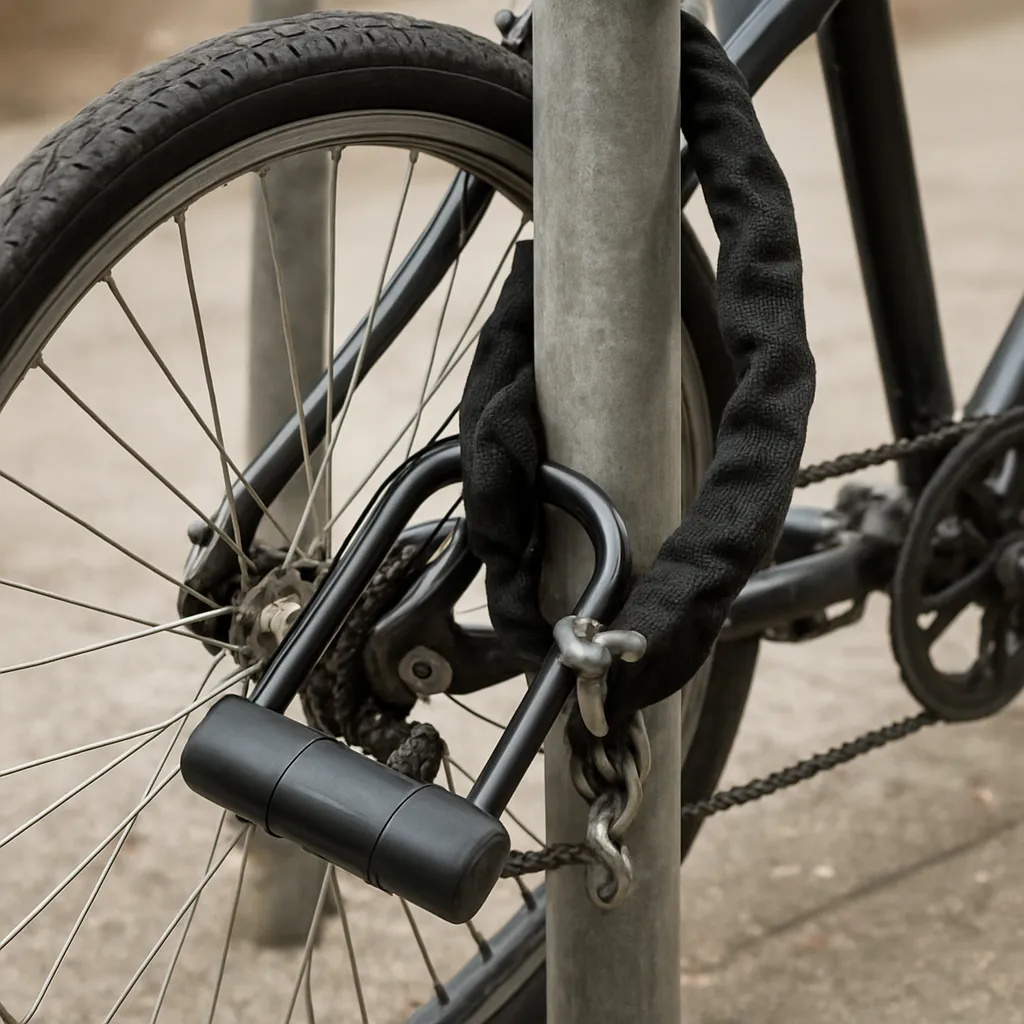
- Constructed from solid metal bars in a rigid U-shape, these locks deliver exceptional resistance to leverage attacks.
- Space considerations can limit their fit around thick or irregularly shaped posts.
- Pairing with a secondary cable lock offers extra security for wheels and accessories.
Cable Locks
- Lightweight and flexible, ideal for quick stops and low-risk areas.
- Typically composed of braided steel wires with a protective coating.
- Not recommended as a standalone solution in high-theft zones due to susceptibility to cutting tools.
Chain Locks
- Heavy-duty chains encased in durable fabric sleeves prevent scratching your frame.
- Versatility in length accommodates various locking points but adds significant weight.
- Look for hexagonal or square chain links, which are harder to grip with bolt cutters.
Folding Locks
- Modular steel plates linked by rivets fold into a compact form for easy transport.
- Balance between rigidity and flexibility allows securing to diverse objects.
- Offers a blend of lightweight portability and strong deterrence properties.
Wheel Skewers and Seatpost Locks
- Specialized locks replace quick-release levers to secure wheels and saddle components.
- Ideal as a secondary measure to complement primary frame locks.
- Requires specific tool or key, adding an extra hurdle for thieves.
Effective Techniques for Securing Your Bike
Beyond the choice of lock, employing prudent strategies can dramatically reduce theft risk. Adapting your approach based on the environment and time of day reinforces your bicycle’s safety.
Lock Placement and Anchoring
Always secure your frame to an immovable object. Avoid flimsy poles or wooden benches that can be disassembled or cut. Position your lock as close as possible to the ground to minimize leverage space for tools. Angle the locking mechanism downward to complicate tampering.
Layered Security Approach
- Combine a heavy U-lock with a compact cable or chain to secure wheels and accessories.
- Use security skewers for quick-release components, transforming them into fixed parts.
- Park in well-lit, high-traffic areas or monitored bike racks with CCTV coverage.
Smart Anchoring Points
Urban landscapes offer various potential anchors, but not all are suitable. Seek sturdy metal fixtures embedded into concrete. If possible, choose racks designed specifically for bicycles, as they discourage tampering and hold your bike upright, reducing the chances of accidental damage or tip-over theft attempts.
Time and Location Considerations
Thieves often operate under the cover of darkness or during off-peak hours. When planning extended stops, research secure parking zones or supervised bike storage facilities. For short errands in safer neighborhoods, a lighter lock may suffice, but remain vigilant and avoid secluded alleys.
Maintenance and Inspection
- Regularly clean and lubricate lock mechanisms to prevent freezing or jamming.
- Inspect for scratches, rust, or forced entry marks; these may indicate targeted attacks.
- Replace worn-out locks immediately—compromised components diminish overall security.
Implementing these best practices not only safeguards your bicycle but also acts as a deterrent to potential thieves. A well-protected bike reflects the rider’s commitment to preserving their investment and embracing a lifestyle of sustainability and independence.